

In today’s fast-paced daily life, filled with challenges, stress has become an inevitable part of life. More and more people are seeking natural remedies to relieve tension, improve sleep, and restore emotional balance. Tibetan singing bowls, an ancient instrument for meditation and healing, recreate this cosmic harmony. When we strike or rub them, they produce sound that penetrates through the water in our bodies – water that is five times more sensitive to sound than air. These vibrations reach every cell, stimulating our natural healing and resonant abilities.
Ashwagandha: The adaptogen for stress resilience

Ashwagandha (Withania somnifera), also known as “Indian ginseng,” is a powerful adaptogen that supports the body in coping with stress.
- How does it work? Ashwagandha regulates cortisol levels – the main stress hormone, which is often elevated during chronic tension. It also improves nervous system function and reduces symptoms of anxiety and exhaustion.
- Scientific evidence: Studies show that taking ashwagandha leads to a significant reduction in stress, anxiety, and fatigue. It also improves sleep quality and cognitive function.
- How should it be used? Ashwagandha can be taken in the form of capsules, powder, or tincture. Typical doses range between 300–600 mg per day, and it is best to consult a specialist for a personalized recommendation.
Chamomile: The calming tea for the nerves
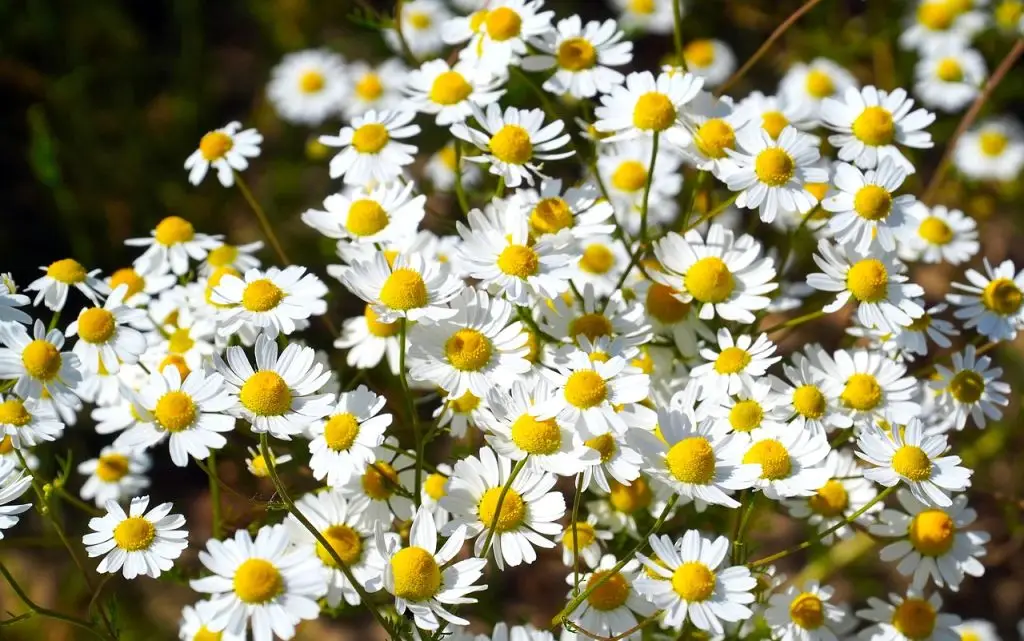
Chamomile has been known for centuries for its relaxing and calming properties. In addition to being popular as a tea, it is also a powerful remedy for relieving stress and anxiety.
- How does it work? Chamomile contains antioxidants such as apigenin, which bind to receptors in the brain and promote relaxation.
- Scientific evidence: A number of studies show that regular consumption of chamomile reduces anxiety levels, improves sleep, and supports the management of mild forms of depression.
- How should it be used? The easiest way is in the form of tea – pour hot water over 1–2 tablespoons of dried chamomile flowers and let it steep for 5–10 minutes. Chamomile is also available as an essential oil, tincture, or supplement.
Magnesium: The mineral for calmness and relaxation

Magnesium is a vital mineral involved in over 300 biochemical processes in the body, including the regulation of the nervous system.
- How does it work? Magnesium supports relaxation by reducing nervous system activity and regulating the production of stress hormones. It also improves sleep quality and reduces muscle tension.
- Scientific evidence: Magnesium deficiency is associated with increased levels of stress, anxiety, and depression. Adding it to the diet or taking it as a supplement can significantly improve emotional and physical well-being.
- How should it be used? Foods rich in magnesium include nuts, seeds, spinach, and dark chocolate. Magnesium is also available as a supplement – often in the form of magnesium citrate, glycinate, or malate. Recommended doses range from 200 to 400 mg per day.
Synergy between the three
Ashwagandha, chamomile, and magnesium work in synergy, providing comprehensive support for stress reduction. While ashwagandha builds the body’s resilience to stress, chamomile calms and relaxes, and magnesium restores the nervous system and prepares the body for rest.
Tips for use
- Create a routine: Combine a cup of chamomile tea in the evening with a magnesium supplement before bedtime. Ashwagandha can be taken in the morning or afternoon to stabilize energy and emotional balance.
- IMPORTANT!!! Consult a specialist: Always consult a doctor or nutritionist, especially if you are taking medications or have specific health conditions, in order to avoid adverse effects.
Daily stress is inevitable, but with the help of natural allies like ashwagandha, chamomile, and magnesium, we can create a healthy and sustainable strategy for coping with it. They not only reduce anxiety and improve sleep, but also help us feel calmer and more balanced, ready to face the challenges of the day.