
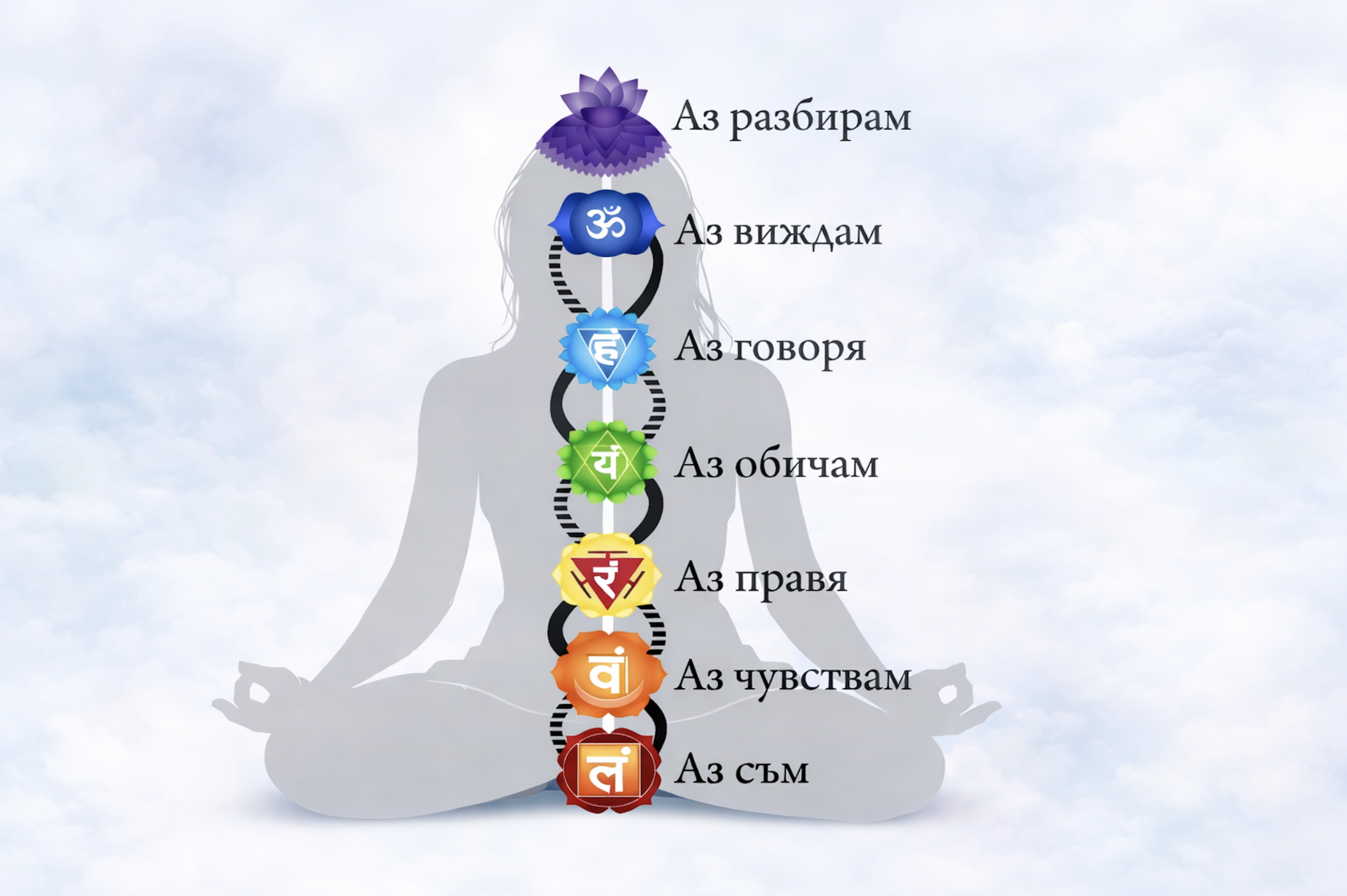
Energy centers in the human body are described in Eastern philosophies as places where vital energy is gathered, transformed, and distributed. The word “chakra” is used, meaning “wheel” or “spinning disc,” symbolizing the continuous movement and exchange between the body, mind, and emotions. According to this system, there are seven main energy centers located along the spine, from the base of the body to the top of the head. Each of them is associated with specific physical, emotional, and psychological processes.
The first energy center is located at the base of the spine and is associated with safety, survival, stability, and the sense of belonging. When fear, insecurity, or constant tension about the future dominate one’s life, this center may become “blocked.” This often manifests as anxiety, a lack of stability, and difficulties in the financial sphere. When the center is in balance, a person feels grounded, calm, and secure in the foundation of their life.
The second energy center is located in the pelvic area and is associated with pleasure, emotions, sexuality, and creativity. A lack of joy, suppressed desires, and feelings of guilt can disrupt its balance. This often leads to a sense of stagnation, lack of inspiration, and difficulties in intimate relationships. When this center is active and harmonious, a person experiences ease, creativity, and a healthy connection with their own emotions.
The third energy center is located in the area of the solar plexus and is associated with personal power, will, self-confidence, and the ability to take action. When initiative is lacking, when a person constantly doubts themselves or is afraid to take responsibility, the strength of this center may weaken. This often shows up as difficulties in implementing projects and achieving goals. When in balance, it supports confidence, determination, and inner motivation.
The fourth energy center is located in the area of the heart and is associated with love, compassion, acceptance, and connection with others. Accumulated resentment, disappointments, and the inability to forgive can block it. This may lead to emotional withdrawal and difficulties in close relationships. When the heart center is balanced, a person is able to give and receive love freely and without fear.
The fifth energy center is located in the throat area and is associated with communication, self-expression, and truth. Suppressing feelings, fearing to speak openly, or constantly holding back important things can disrupt its balance. This often leads to a feeling of not being heard or understood. When in harmony, this center supports clear, calm, and authentic communication.
The sixth energy center, also known as the “third eye,” is located between the eyebrows and is associated with intuition, inner vision, awareness, and the ability to understand deeper processes. When a person focuses only on the negative, ignores their inner voice, and lives in constant mental noise, this center may weaken. This can manifest as confusion, lack of clarity, and difficulty making decisions. A balanced sixth energy center supports intuition, insight, and self-trust.
The seventh energy center is located at the top of the head and is associated with spirituality, life purpose, and connection to something greater than ourselves. A lack of inner stillness, constant avoidance of silence, and disconnection from oneself can disturb its balance. This often manifests as a sense of chaos, emptiness, or lack of direction. When this center is in harmony, a person experiences inner peace, trust in life, and a deeper sense of connection with the world.
It is important to understand that these energy centers do not function in isolation. They are interconnected, and when one of them is out of balance, this gradually affects the others as well. For example, fear and insecurity can influence not only the sense of stability, but also confidence, relationships, and the ability to express oneself. That is why caring for energetic balance is a process that encompasses our entire way of life.
Maintaining harmony in the chakras does not mean striving for “perfection,” but rather cultivating self-awareness. Practices such as rest, time in nature, breathing exercises, movement, bodywork, sound therapies, and an honest “conversation” with oneself can help gradually release tension and blockages. Equally important is allowing ourselves joy, regular rest, creativity, and authentic self-expression.
The energy system can be viewed as a map of our inner world. It reminds us that our emotions, thoughts, body, and spirit are deeply interconnected. When we take care of ourselves on all these levels, our lives become more balanced, conscious, and fulfilling.
Sound therapy is one of the most natural ways to support the balance of this system. Through the vibrations of the gong, singing bowls, voice, and other instruments, sound reaches deeply into the body and the nervous system. It helps release accumulated tension, emotional blockages, and stress, which often lie at the root of energetic imbalance. Each energy center resonates with specific frequencies, and when the body “perceives” them, its natural capacity for self-regulation and restoration is activated. In this way, sound therapy creates a sense of wholeness, inner balance, and deep connection with oneself.